"Dialing in" sounds like barista mysticism; it's actually a three-variable optimization you can run systematically. Here's the method that takes a new bag from first shot to delicious in five pulls or fewer.
The three numbers (and the one you change)
Every shot is defined by dose (dry grams in), yield (liquid grams out) and time (seconds). The modern starting recipe: 18g in, 36g out (a 1:2 ratio), in 25–30 seconds. Here's the discipline that makes this fast: fix dose and yield; use grind size to steer time. One variable moving at a time is the entire secret.
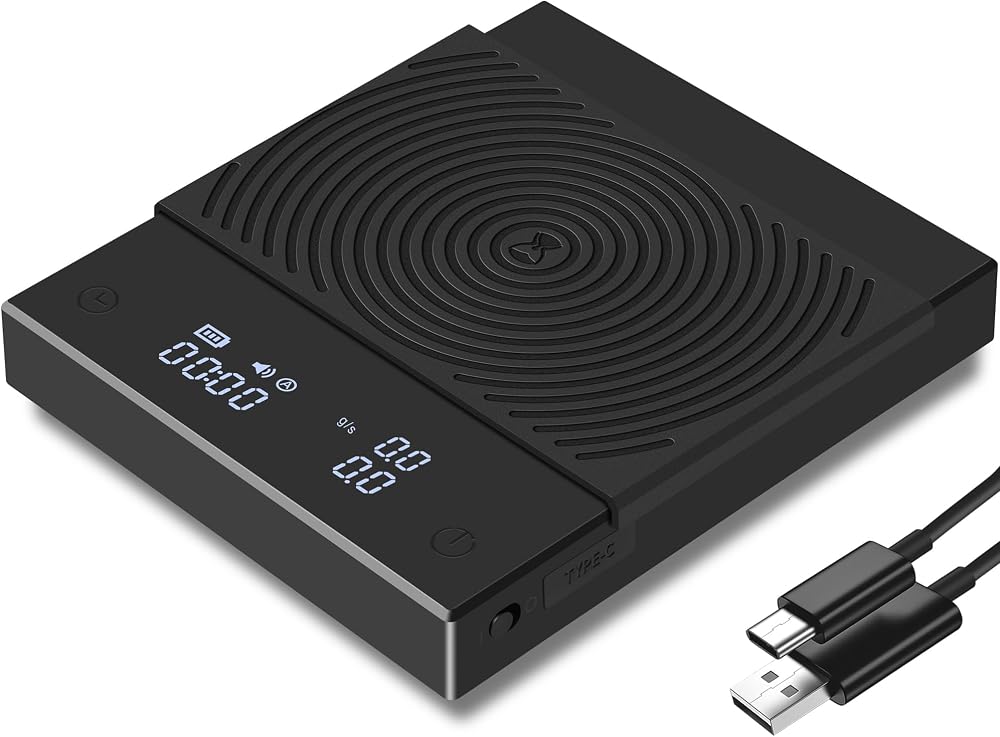
You need a scale. Really.
Eyeballing yield is why dialing takes people weeks instead of days. A 0.1g scale under the cup turns espresso from vibes into data. Nothing else on this page works without it.
The sequence
Shot 1 — calibrate. 18g in, pull to 36g out, note the time. 15 seconds? Way too coarse. 45? Too fine. Adjust grind accordingly (finer = slower).
Shots 2–3 — bracket. Move grind until 36g arrives in 25–30 seconds. You are now in range — the coffee should already be drinkable.
Shots 4–5 — tune by taste. In-range but sour/sharp? Extract more: slightly finer, or stretch yield toward 40g. In-range but bitter/drying? Extract less: coarser, or cut yield toward 32g. Sweetness lives between those errors, and it's usually one click away.
When grind isn't the problem
Shots that are sour and bitter, or that spray sideways, are channeling — a prep failure, not a recipe failure. WDT, level tamp, done. See common espresso problems for the full table.
Notes for the road
Log your grind setting per coffee (stepless grinders like the DF64 reward notes). Expect to re-dial with every new bag — beans differ, and even one bag drifts as it ages. Darker roasts like slightly cooler temps and shorter ratios; light roasts stretch happily to 1:2.5. Five shots of tuition per bag, and every cup after is the reward.